



Freediving instructor jobs
A dedicated job board pairing AIDA, SSI and Molchanovs instructors with the schools hiring worldwide.
Browse jobs
Freediving Destinations
Explore 38 handpicked freediving destinations and compare 772 schools, local seasons, conditions, and training opportunities.
Freediving destinations
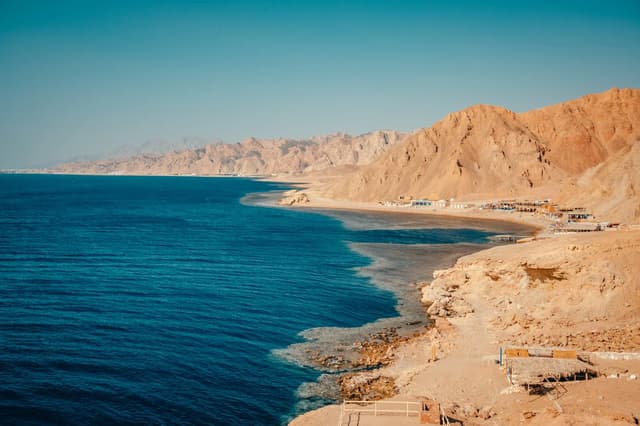
Egypt
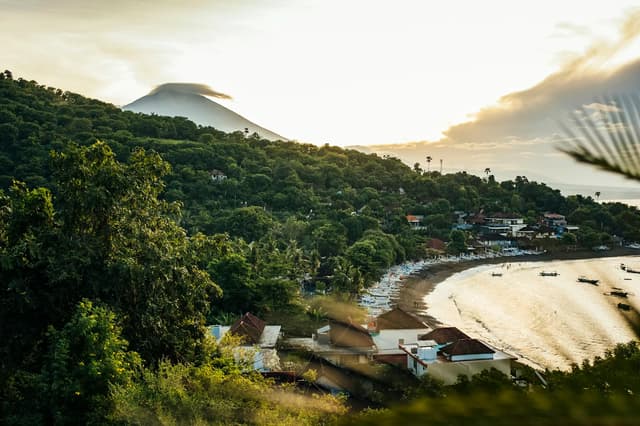
Indonesia
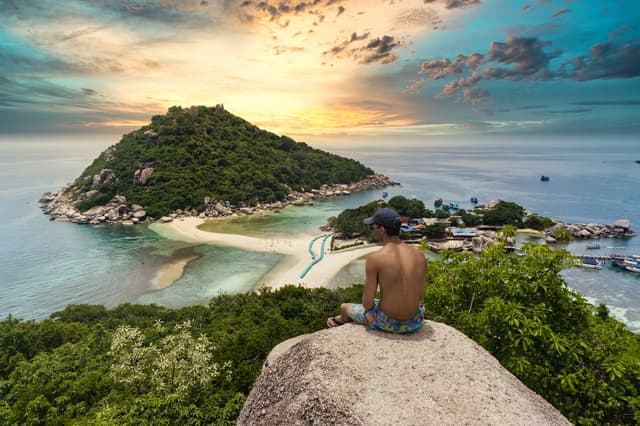
Thailand
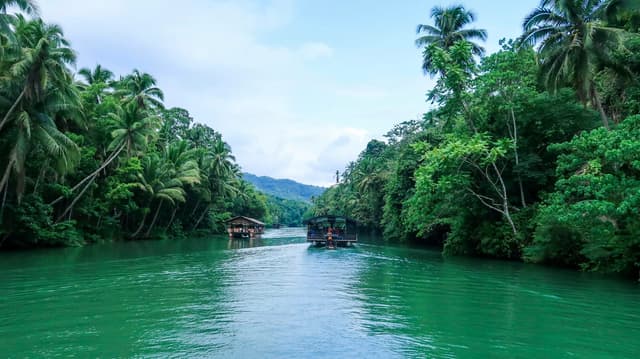
Philippines
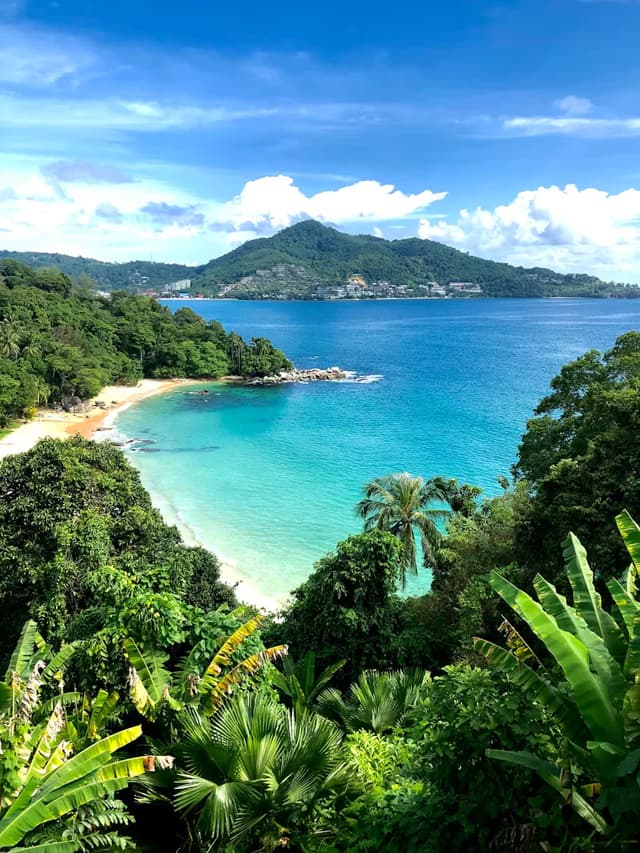
Thailand
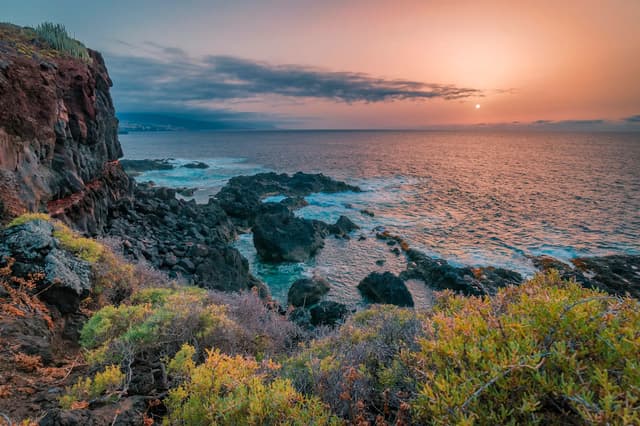
Spain
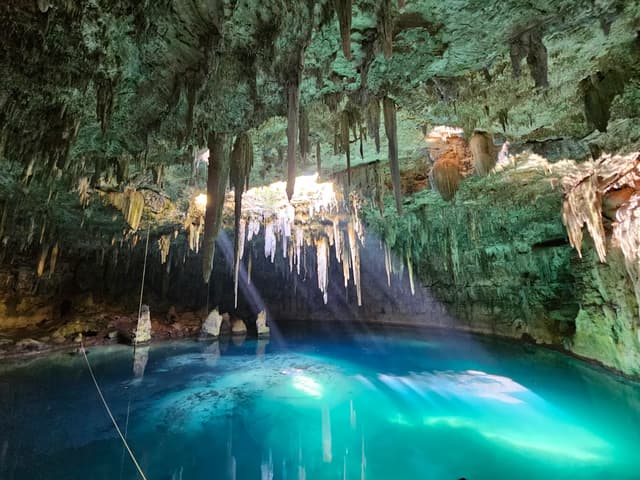
Mexico
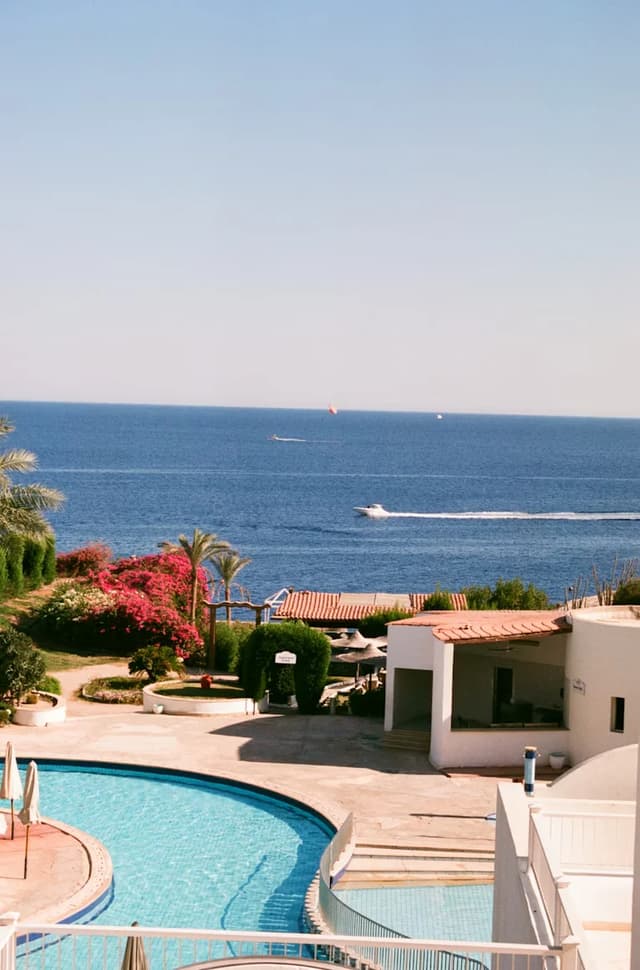
Egypt
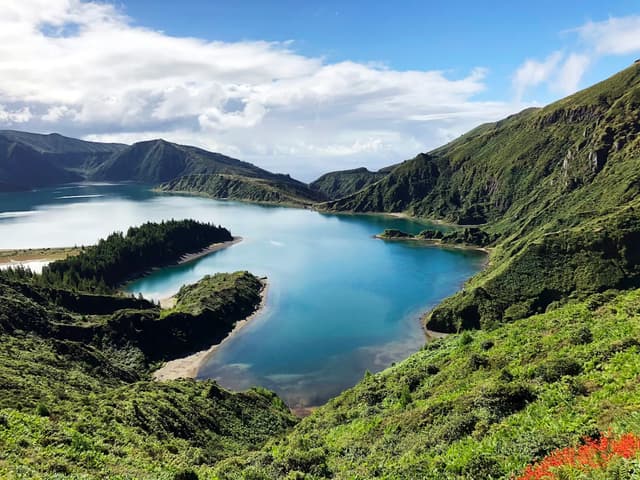
Portugal
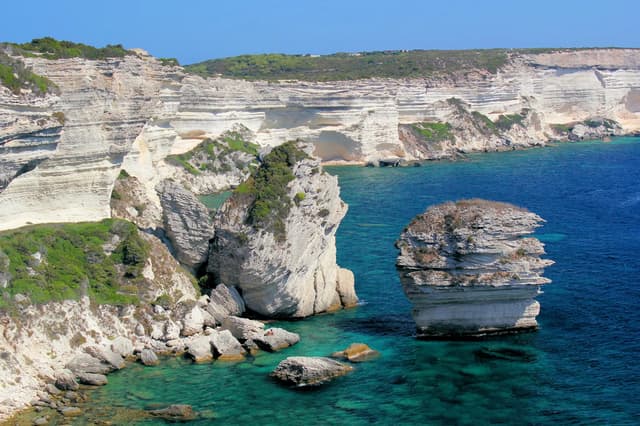
France
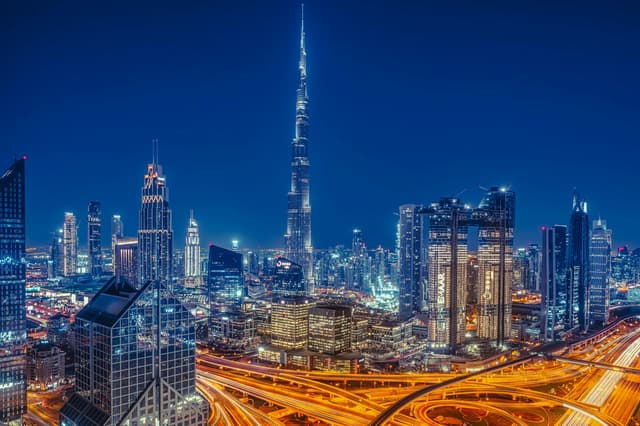
UAE
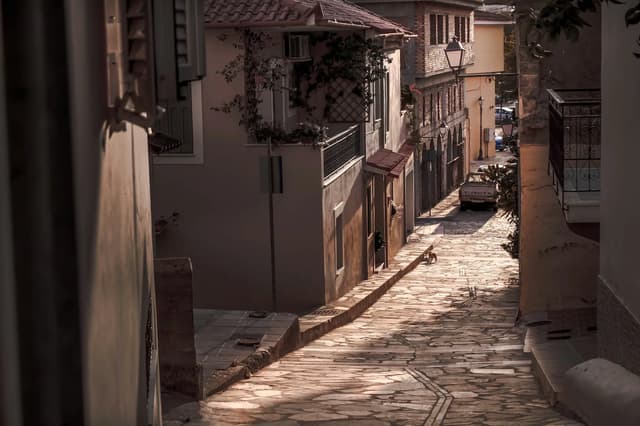
Greece
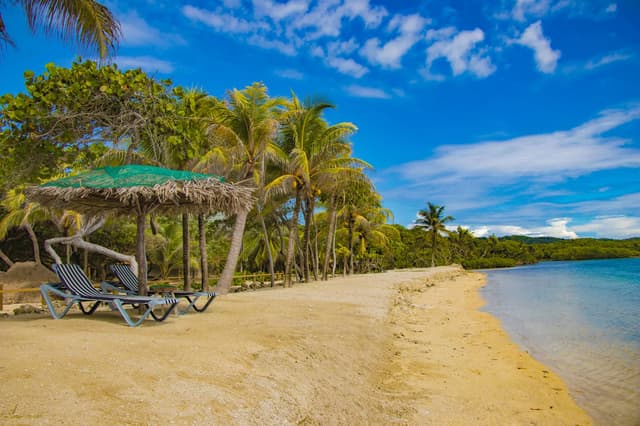
Honduras
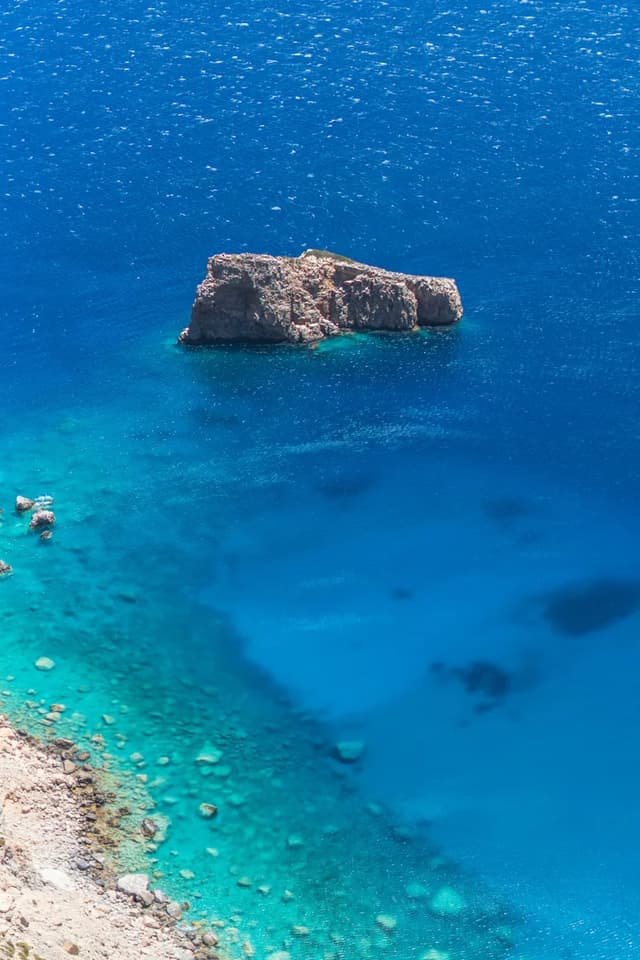
Greece
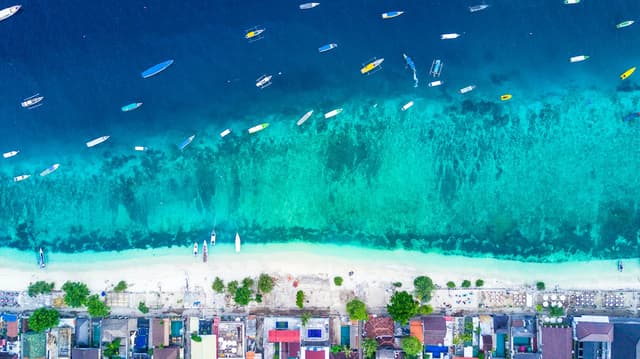
Indonesia
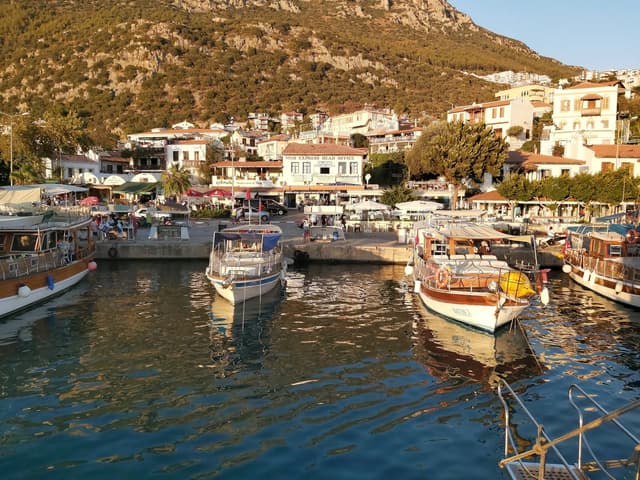
Turkey
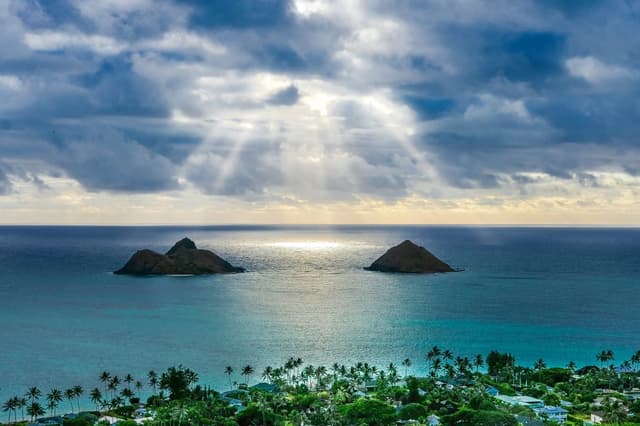
USA
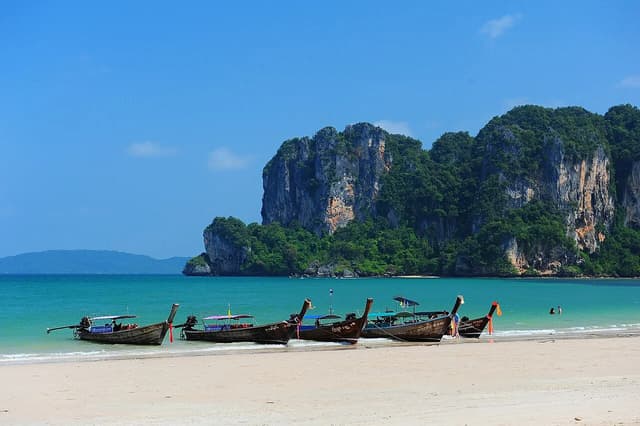
Thailand
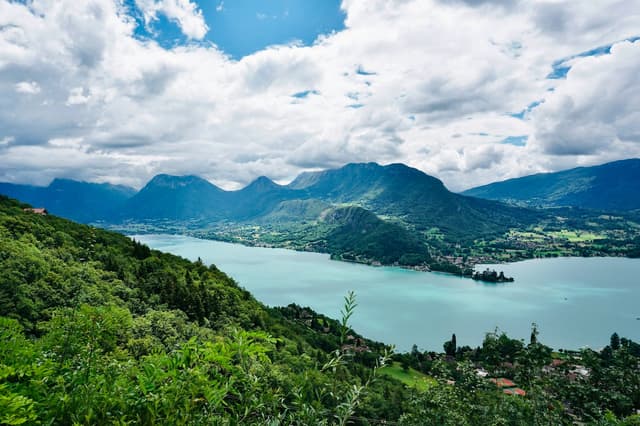
France
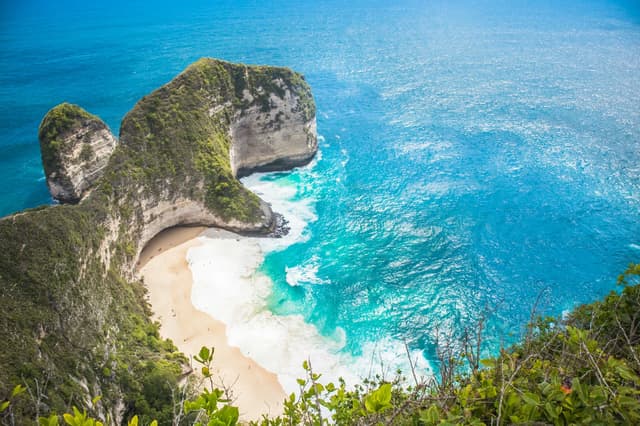
Indonesia
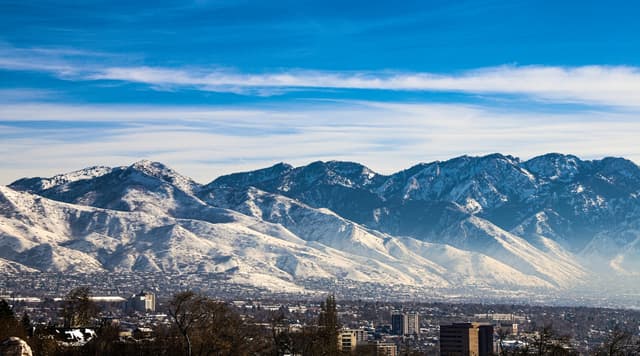
USA
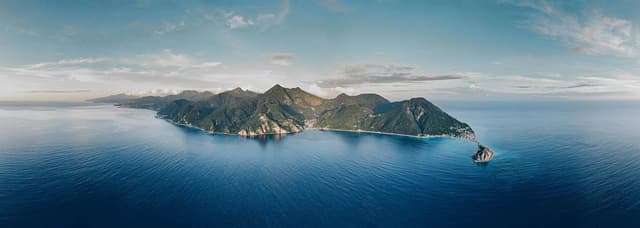
Dominica
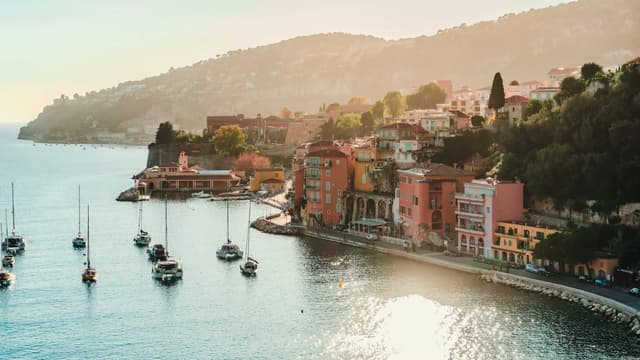
France
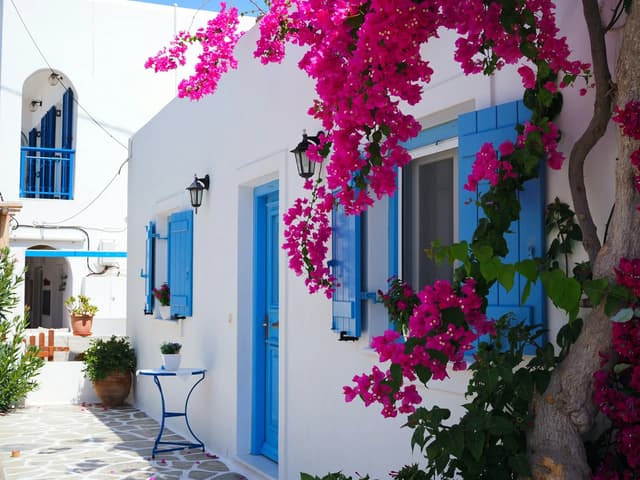
Greece
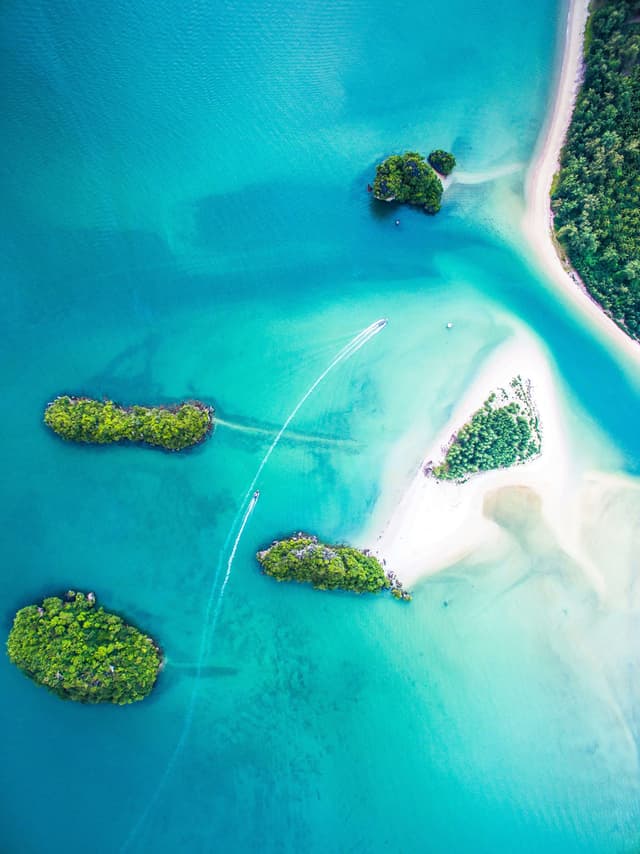
Philippines
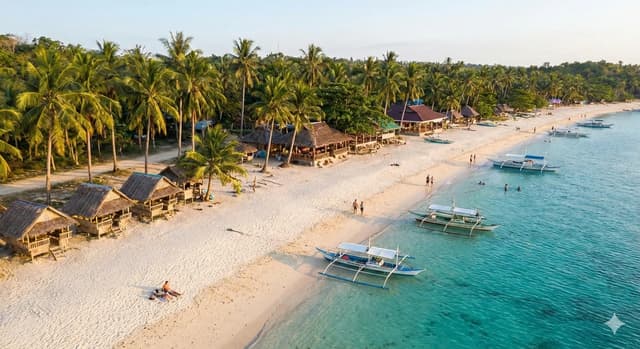
Philippines
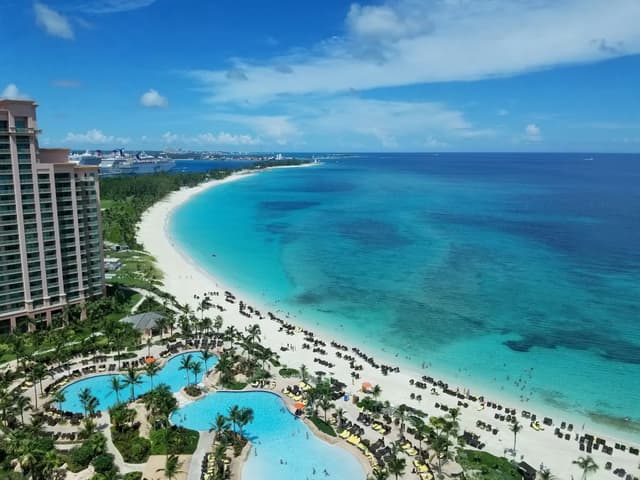
Bahamas
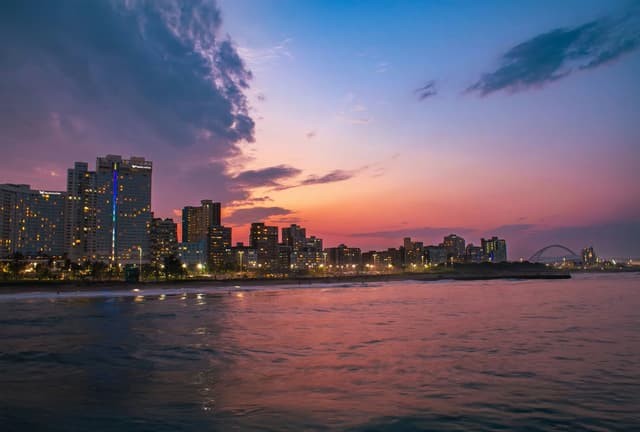
South Africa
Israel
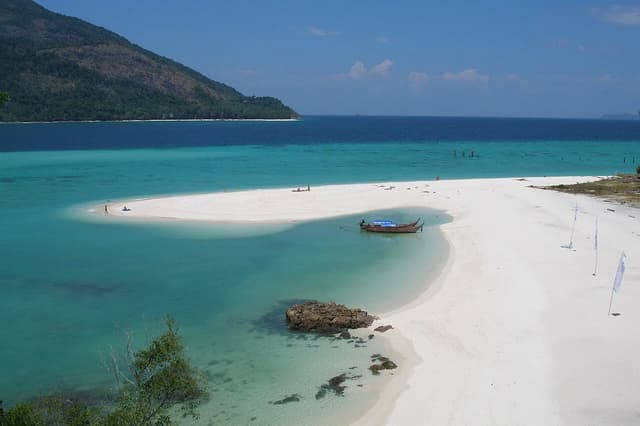
Thailand
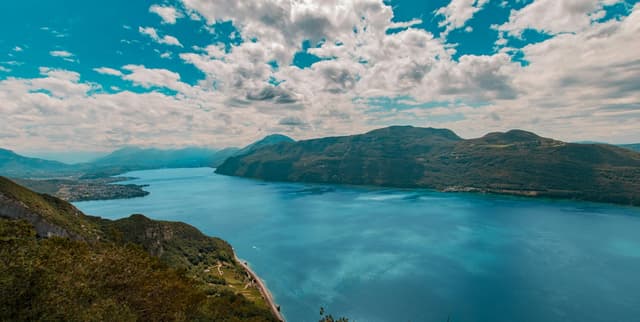
France
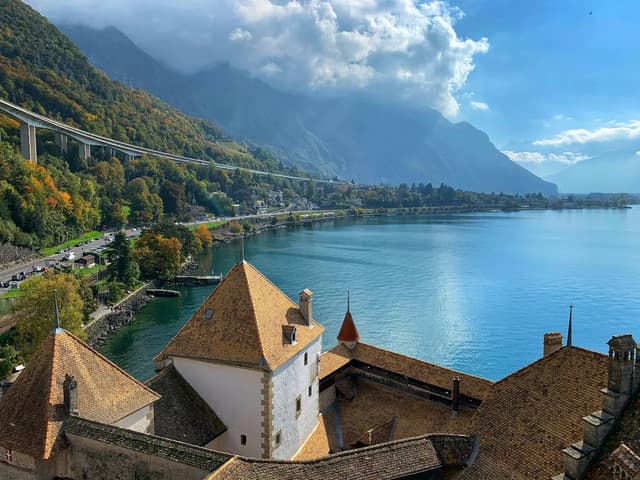
France
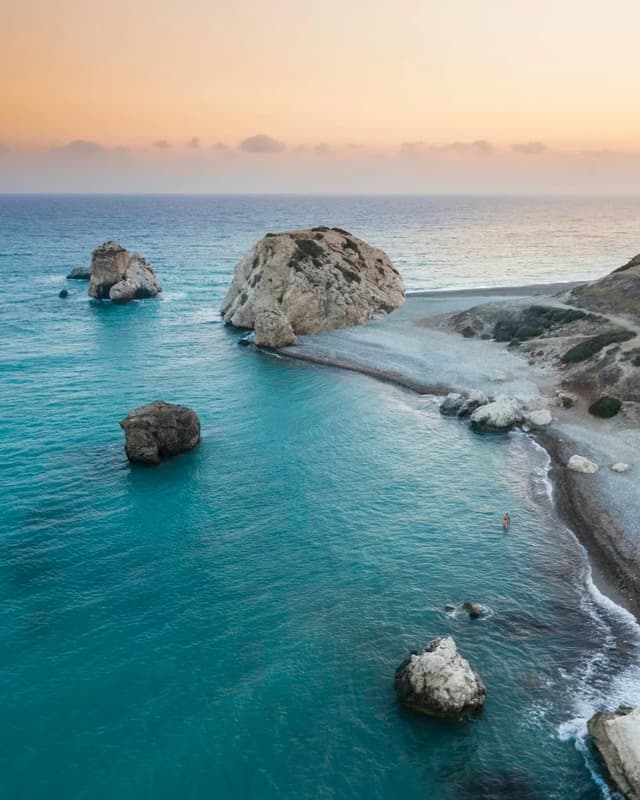
Cyprus
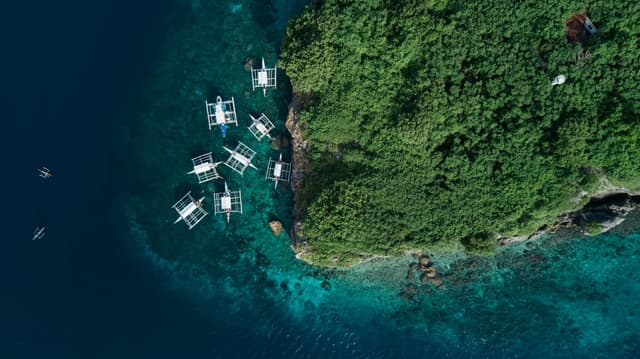
Philippines
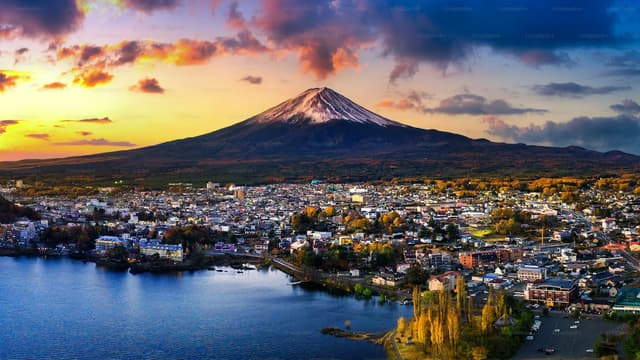
Japan
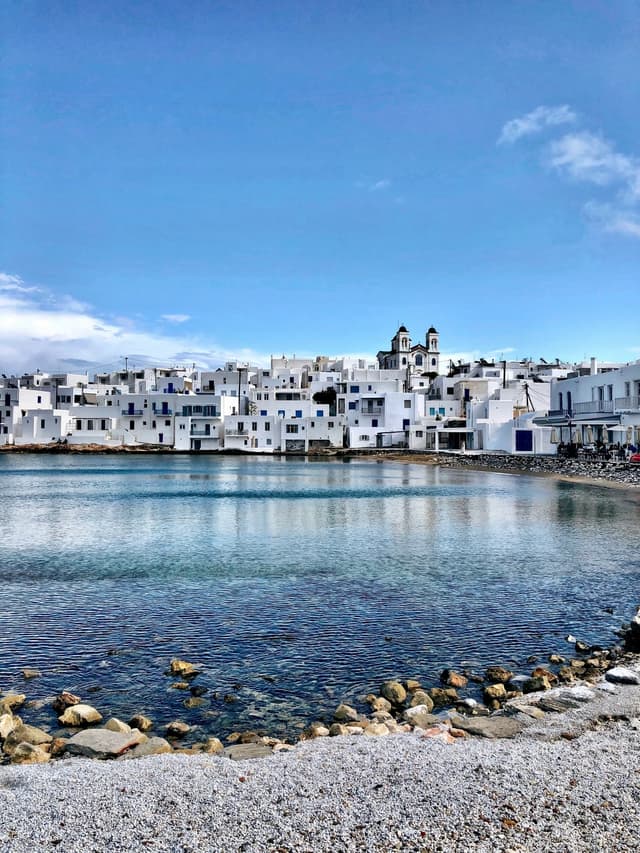
Greece
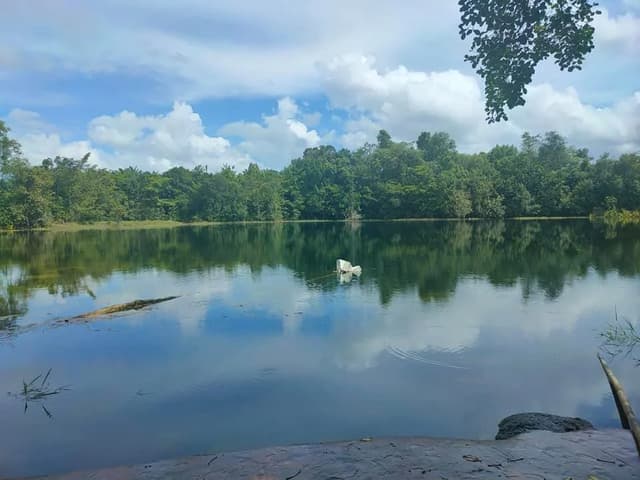
Thailand
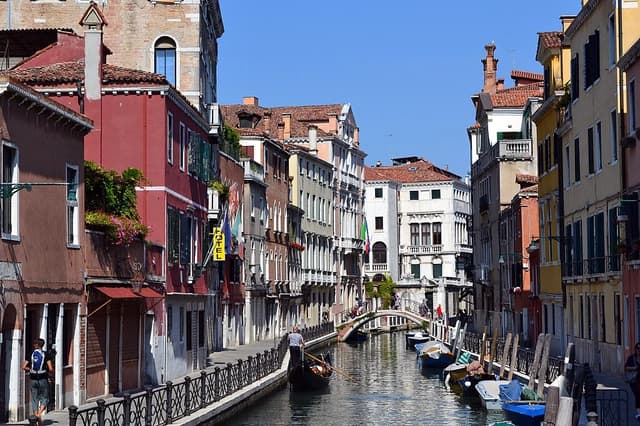
Italy
Top freediving countries
Top freediving country
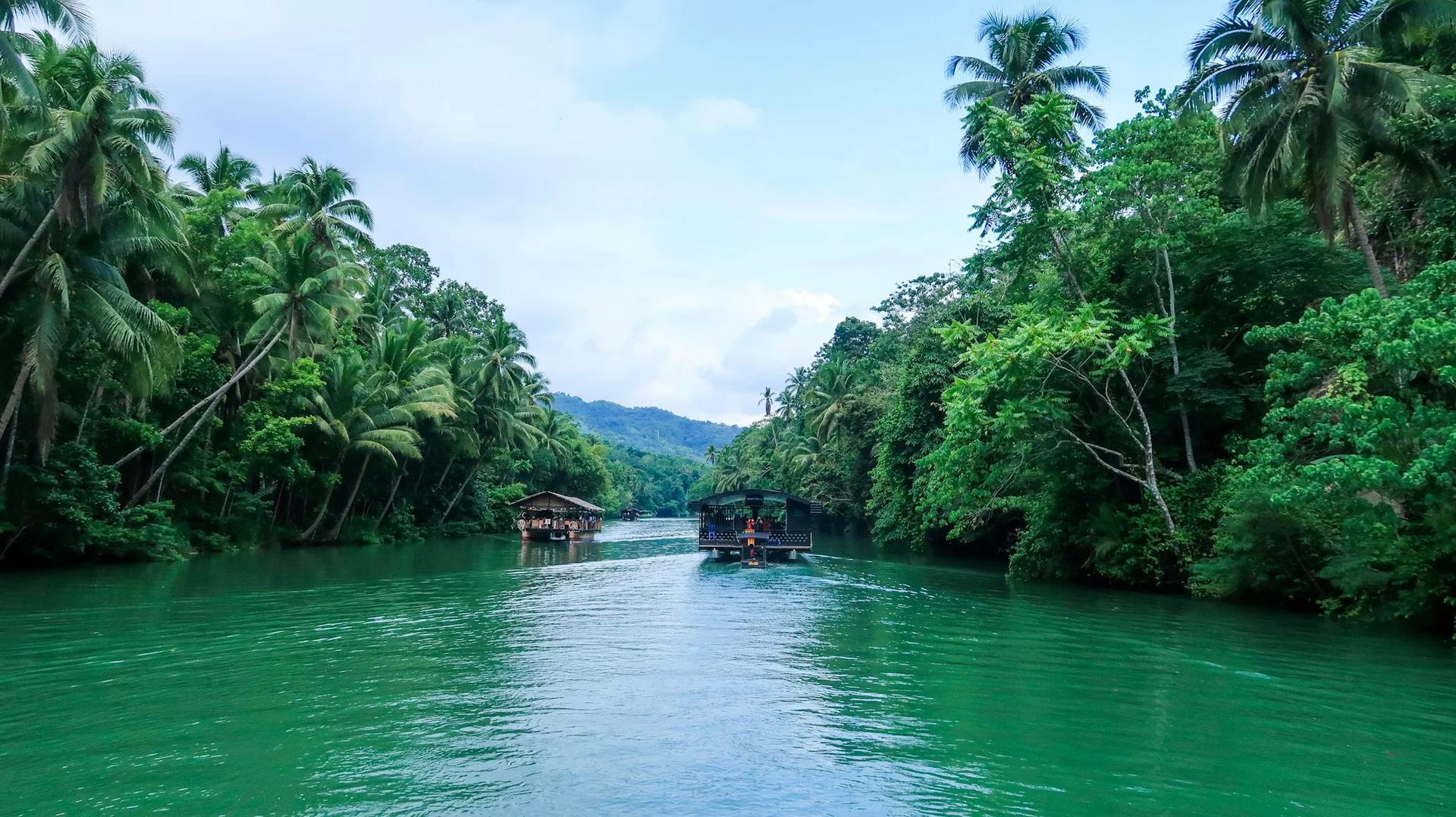
Panglao · Moalboal · Camotes Island
Before you book
Honestly, most of a good freediving trip is decided before you ever get in the water: where you go, when you go, and who's on the line with you. If it's your first course, start with the beginner's guide; if you already have a few certs, here's the way we'd weigh it up.
Warm, calm, clear water makes everything easier, especially while you're still learning to relax. Check each spot's best months and water temperature before you commit to dates.
Some places have deep water a few kicks from shore; others mean a boat every session. If you're chasing depth, easy line access changes how much you actually dive.
This is the one that really matters: small groups, and an instructor who watches every single dive. Learn what good freediving safety looks like before you book, not after.
AIDA, SSI, Molchanovs, CMAS all overlap far more than they differ. Our guide to the agencies helps you pick one and stop second-guessing.
Course prices swing a lot from one country to the next. Compare schools side by side so you're paying for good teaching, not for markup.
A cheaper course three flights away usually isn't cheaper. Browse by country to find somewhere that actually fits your route.
When you're ready, the move is simple: pick a place first, then find the right people nearby.
Trusted by students
 5.0 · 26 reviews
 Featured school
Salt Lake City, USA
I am so happy I got to take and participate in the Apnea Flow Class with Ani! She is such a great teacher and made me feel very safe and comfortable.
A directory you can actually trust
0
Destinations
0
Freediving schools
0
Countries
4.9★
Avg. school rating
For school owners
Run a freediving school, dive center, or training facility? List it on freedivingbase and reach divers actively planning their next training trip. We surface freediving schools, dive shops, AIDA, SSI, and Molchanovs instructors across 20+ countries.
Show your courses, prices, certifications, languages, and Google reviews on one polished profile. Get found on destination pages, country hubs, and search, without paying for ads to Google or Instagram.
Already on freedivingbase
772+
freediving schools & dive centers
38+
Destinations
20+
Countries
Browse live freediving instructor jobs, or join a remote coaching directory built around specialty rather than location.
A dedicated job board pairing AIDA, SSI and Molchanovs instructors with the schools hiring worldwide.
Browse jobsA dedicated directory for coaches offering equalization, technique, mental preparation, programming and competition support remotely.
Explore the directoryGot questions?
Everything you need to know about freediving, training, and choosing the right destination.
Freediving is underwater diving on a single breath, without scuba equipment. It combines breath-holding techniques, relaxation, and proper training to explore the underwater world. Freedivers can enjoy recreational diving, competitive depth disciplines, or underwater photography. Learn more about freediving.
The best way to start is with a certified freediving course from organizations like AIDA, SSI, or Molchanovs. Beginner courses (Level 1/Wave 1) typically take 2-3 days, cost $200-400, and teach breath-holding, equalization, and safety. Browse freediving schools worldwide to find one near your next trip.
No, you don't need to be extremely fit to start freediving. While good overall health is important, freediving is more about relaxation, breathing technique, and mental calm than raw fitness. Many beginners are surprised how accessible it is. As you progress, cardiovascular fitness and flexibility can help, but the sport welcomes people of all fitness levels.
Equalization is the process of balancing pressure in your ears and sinuses as you descend. The most common beginner technique is the Valsalva maneuver, pinching your nose and gently blowing. More advanced freedivers use the Frenzel technique, which uses the tongue as a piston to push air into the ears. Proper equalization is taught in every beginner course and is essential for comfortable, safe diving.
Freediving is safe when practiced with proper training and a buddy. Never freedive alone. The main risks, blackout and barotrauma, are preventable with correct technique. Certified courses teach essential safety protocols that make the sport enjoyable and low-risk.
Essential gear includes a low-volume mask, long bi-fins or monofin, a snorkel, and a wetsuit appropriate for water temperature. Beginners can rent equipment from schools. As you progress, investing in quality fins and a well-fitting wetsuit makes a significant difference.
Browse the destinations, compare the schools, and start planning a trip that fits how you want to train.